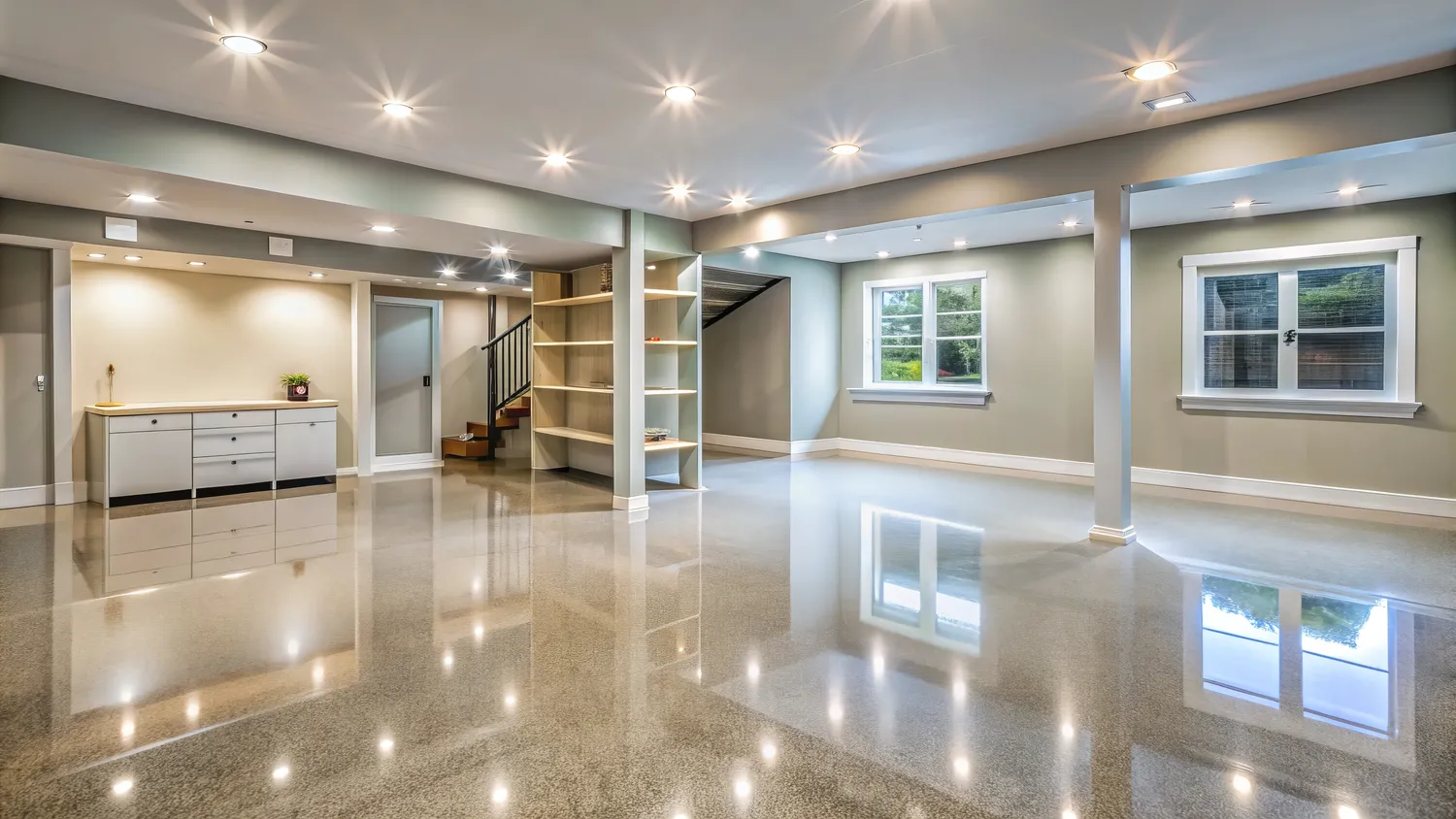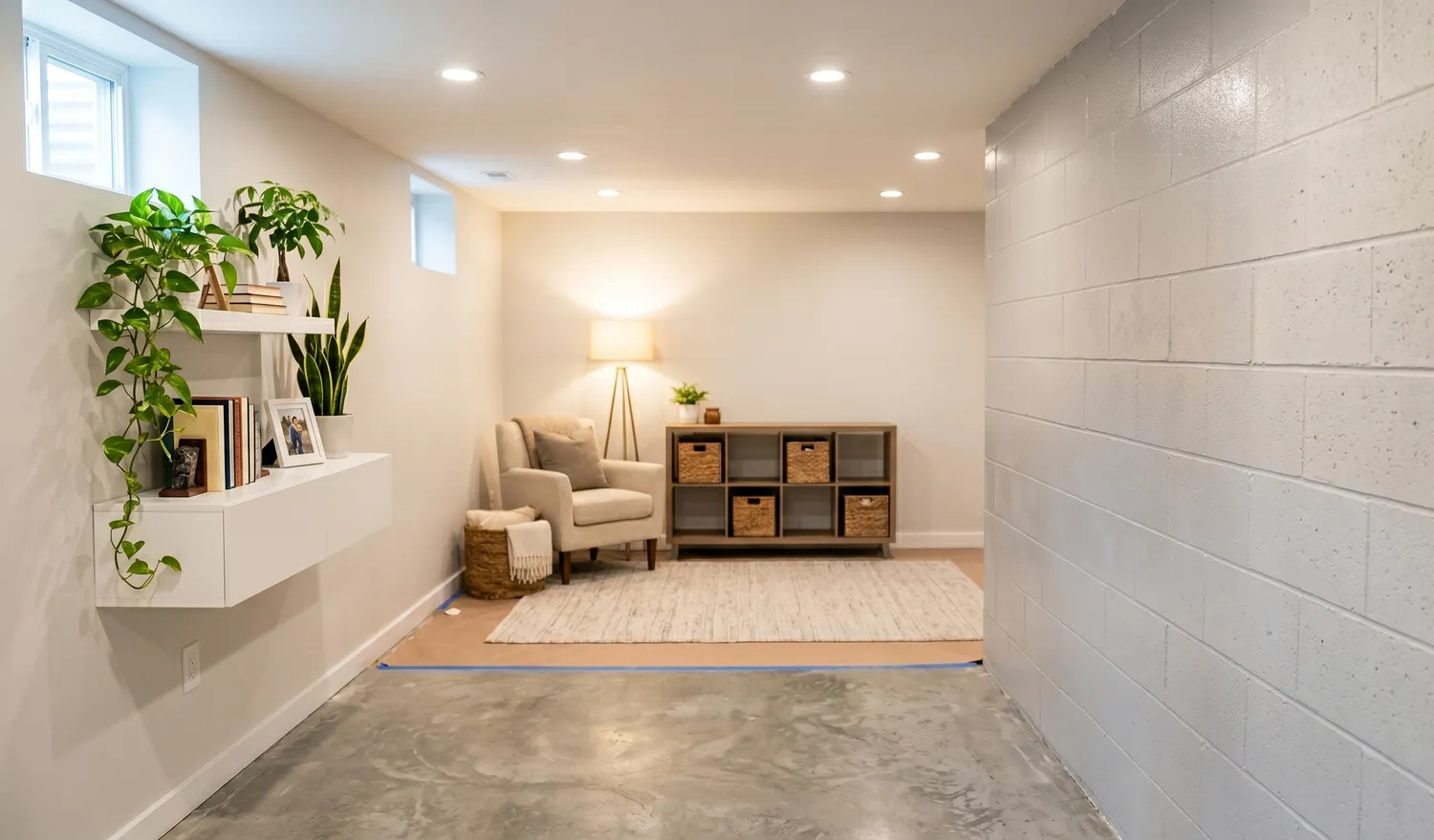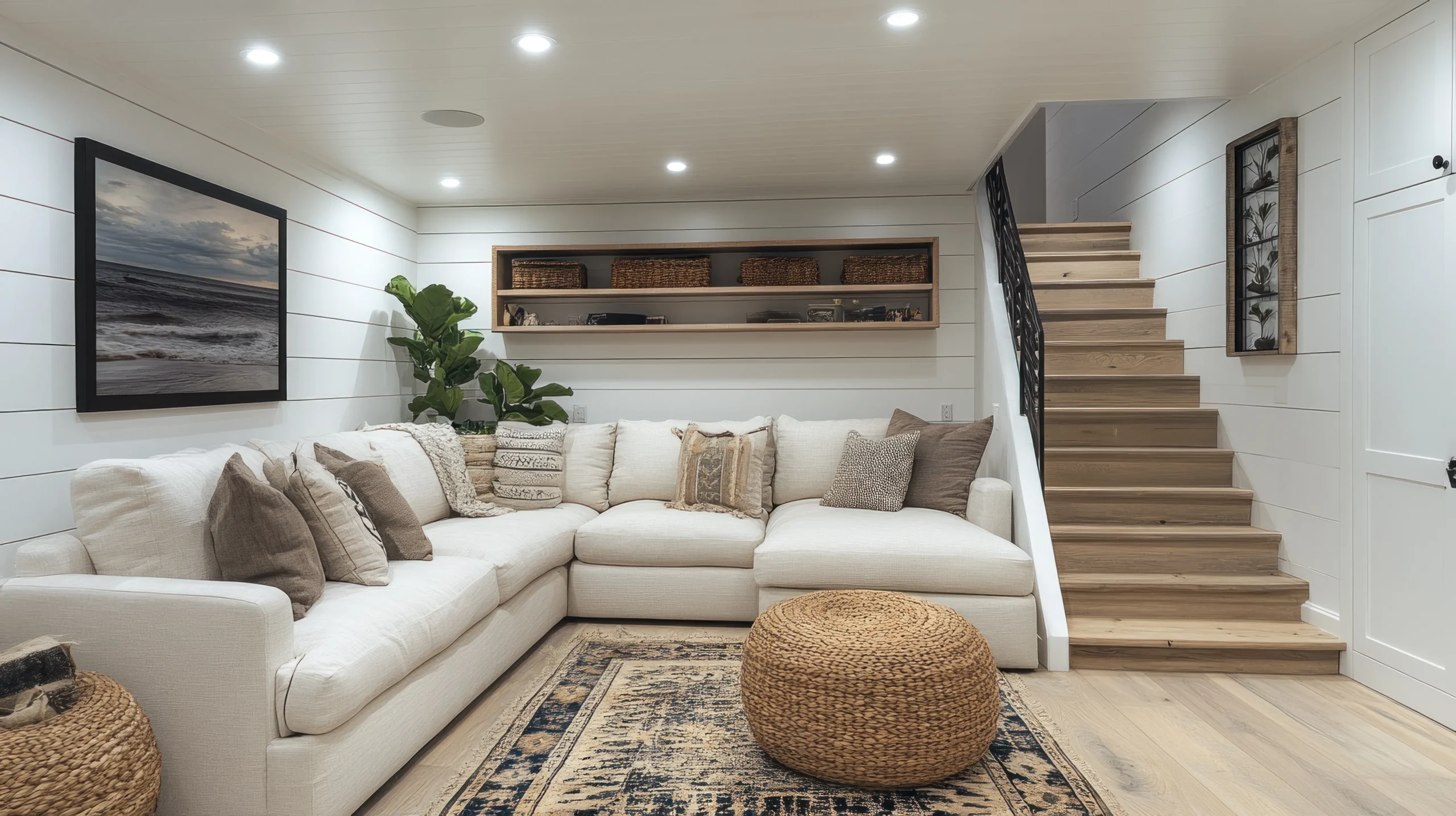



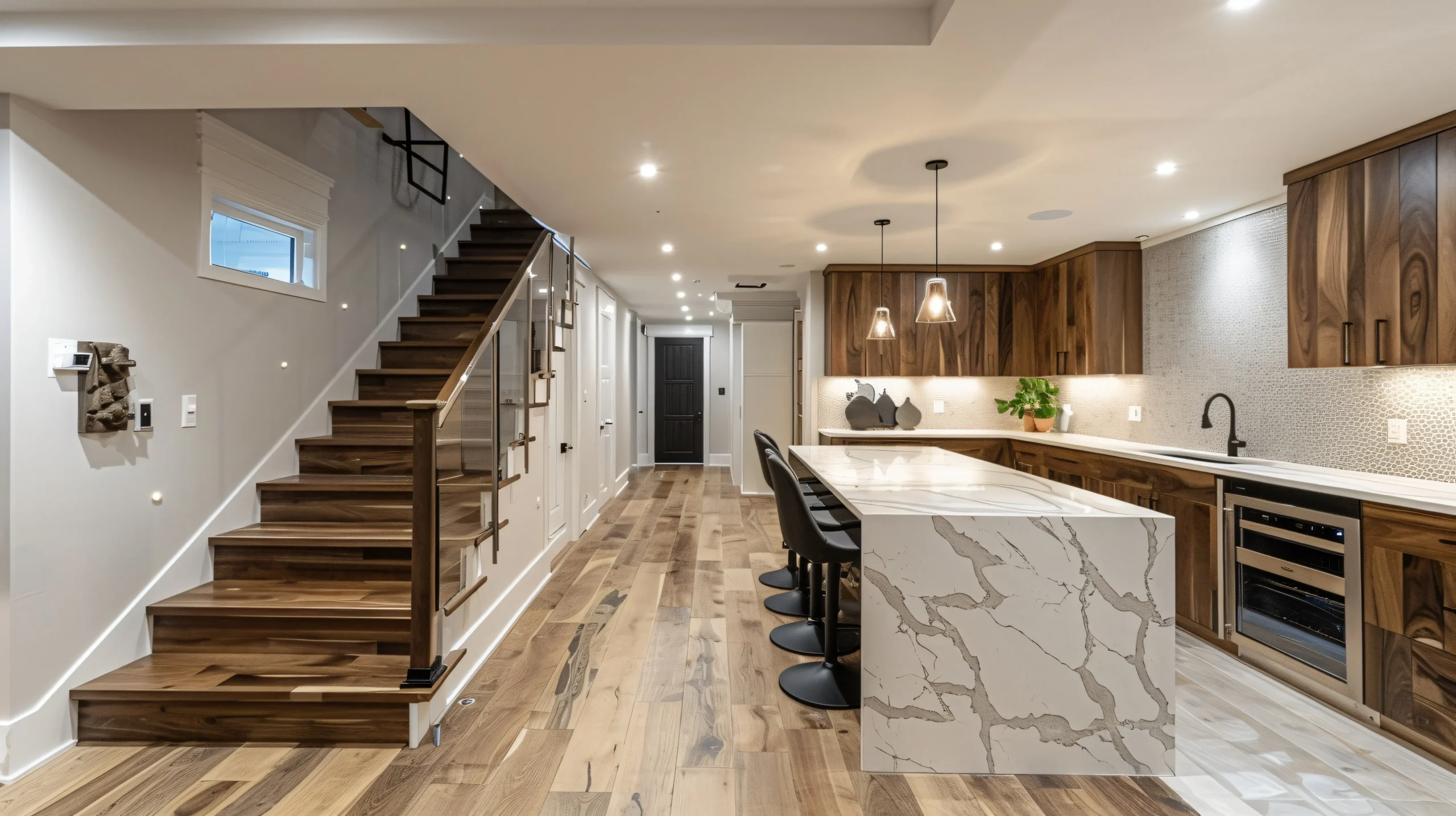
A basement renovation is one of the most rewarding projects you can invest in as a homeowner. That dark, underused storage space can be transformed into a stylish home theater, a private gym, or even a fully functional guest suite. But before you grab a hammer and dive into DIY, it’s worth understanding how to design a basement remodel the right way—and why working with a professional will save you time, money, and frustration.
Why Hire a Specialist Instead of Going DIY?
Basements are not like other rooms in your home. They come with unique challenges: moisture, ventilation, ceiling height, hidden wiring, and plumbing. A poorly executed DIY project can lead to costly mistakes—water damage, mold, or structural issues. By hiring an experienced contractor or designer, you gain:
-
expert assessment of structural and safety concerns,
-
access to durable, moisture-resistant materials,
-
efficient project management,
-
creative design solutions that maximize space.
A professional ensures your investment adds real value to your home rather than becoming an ongoing repair project.
Step 1: Professional Assessment
The first stage of any remodel is evaluating the current condition. A specialist will check:
-
Waterproofing – Are there leaks or dampness that need sealing?
-
Electrical and plumbing systems – Are they up to code and capable of handling new fixtures?
-
Ceiling height and layout options – Is the basement safe and practical to convert into living space?
This detailed inspection prevents surprises later on.
Step 2: Defining the Purpose of the Space
A designer or contractor will help you decide how to best use the square footage. The function dictates every design choice, from layout to lighting. Together, you can plan for:
-
a luxurious media room,
-
a cozy guest suite with a bathroom,
-
a productive home office,
-
a rental-ready apartment for extra income.
An expert sees possibilities you might overlook—making sure the design is both functional and future-proof.
Step 3: Layout and Lighting Design
Lighting is one of the biggest challenges in basements. Professionals know how to combine:
-
layered artificial lighting (recessed, wall sconces, accent lighting),
-
window well enlargements (if possible),
-
reflective finishes and color choices.
Instead of guessing where lights or outlets should go, a contractor creates a plan that is safe, efficient, and tailored to your lifestyle.
Step 4: Material Selection with Expert Guidance
Basements demand special materials that resist moisture and temperature changes. A specialist can recommend the best options:
-
luxury vinyl planks or ceramic tile flooring,
-
moisture-resistant drywall,
-
high-quality insulation to regulate temperature and control sound.
DIY often leads to using the wrong materials, which results in damage after just a few seasons. Professionals ensure every element is built to last.
Step 5: Comfort and Safety
Professionals think beyond appearances. They address:
-
Soundproofing – critical if you’re adding a home theater or music room,
-
Heating and cooling systems – to keep the basement comfortable year-round,
-
Emergency exits and code compliance – essential for bedrooms or rental units.
Safety and comfort are where professional expertise really pays off.
Step 6: Style and Aesthetic Choices
Once the technical foundation is secure, it’s time to choose a style. With an expert’s guidance, you can decide whether your basement should feel modern, industrial, cozy, or classic—and match the rest of your home. Designers help balance practicality with personality, ensuring the space is beautiful and cohesive.
Step 7: The Finishing Touches
Professionals add the details that DIY remodels often miss:
-
proper placement of outlets and switches,
-
smart storage solutions built into walls or under stairs,
-
seamless integration of smart home features.
These small touches make a huge difference in usability and long-term satisfaction.
Final Thoughts
If you’ve been wondering how to design a basement remodel, the key takeaway is simple: don’t go it alone. Basements are complex spaces that require expertise in construction, design, and safety regulations. A professional remodeler not only helps you avoid expensive mistakes but also transforms your basement into a safe, stylish, and valuable extension of your home.
Instead of spending months on a DIY experiment, consider reaching out to a specialist who can turn your vision into reality. The result? A basement that feels like it has always belonged in your home—and one that increases both comfort and property value.