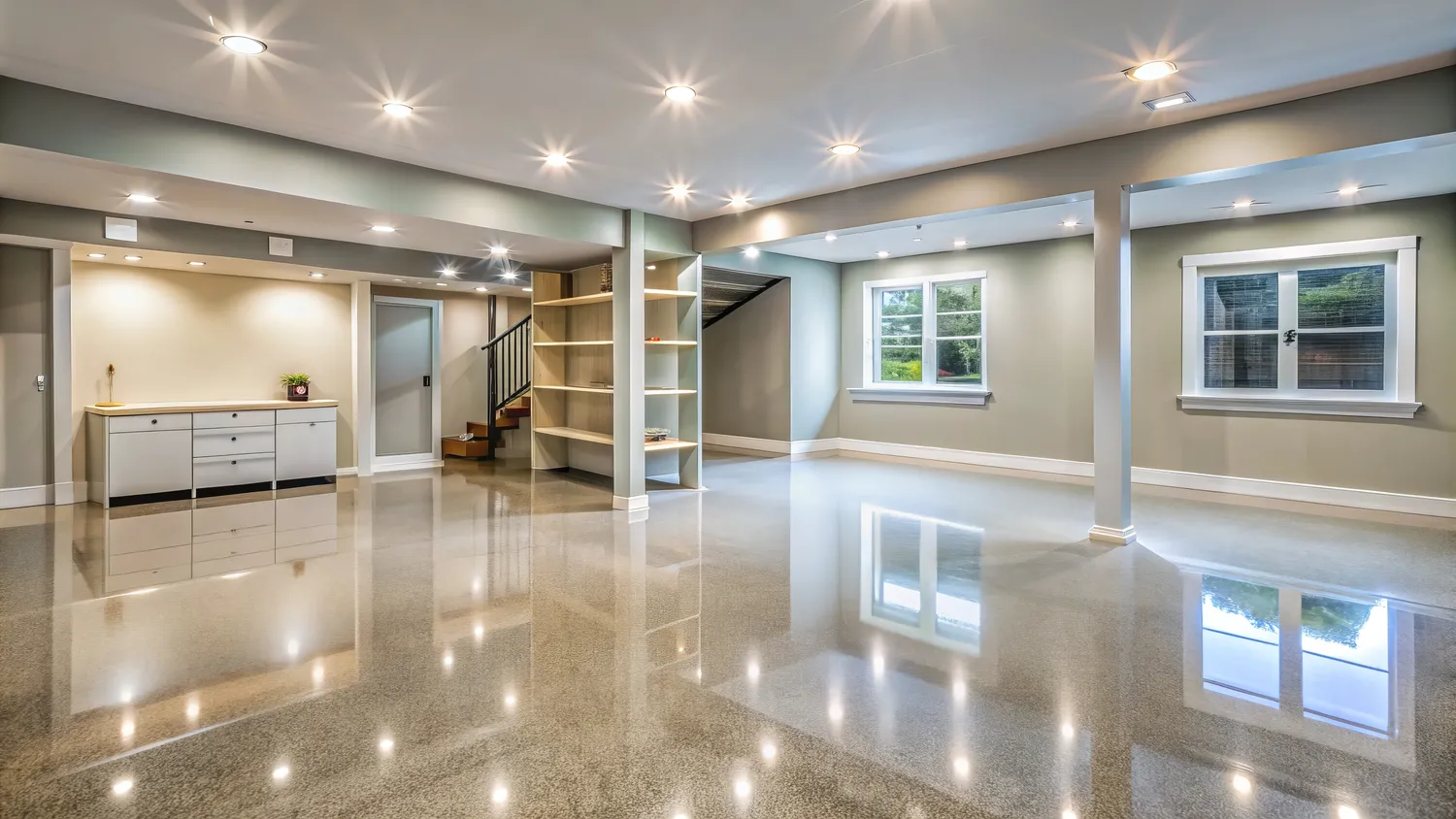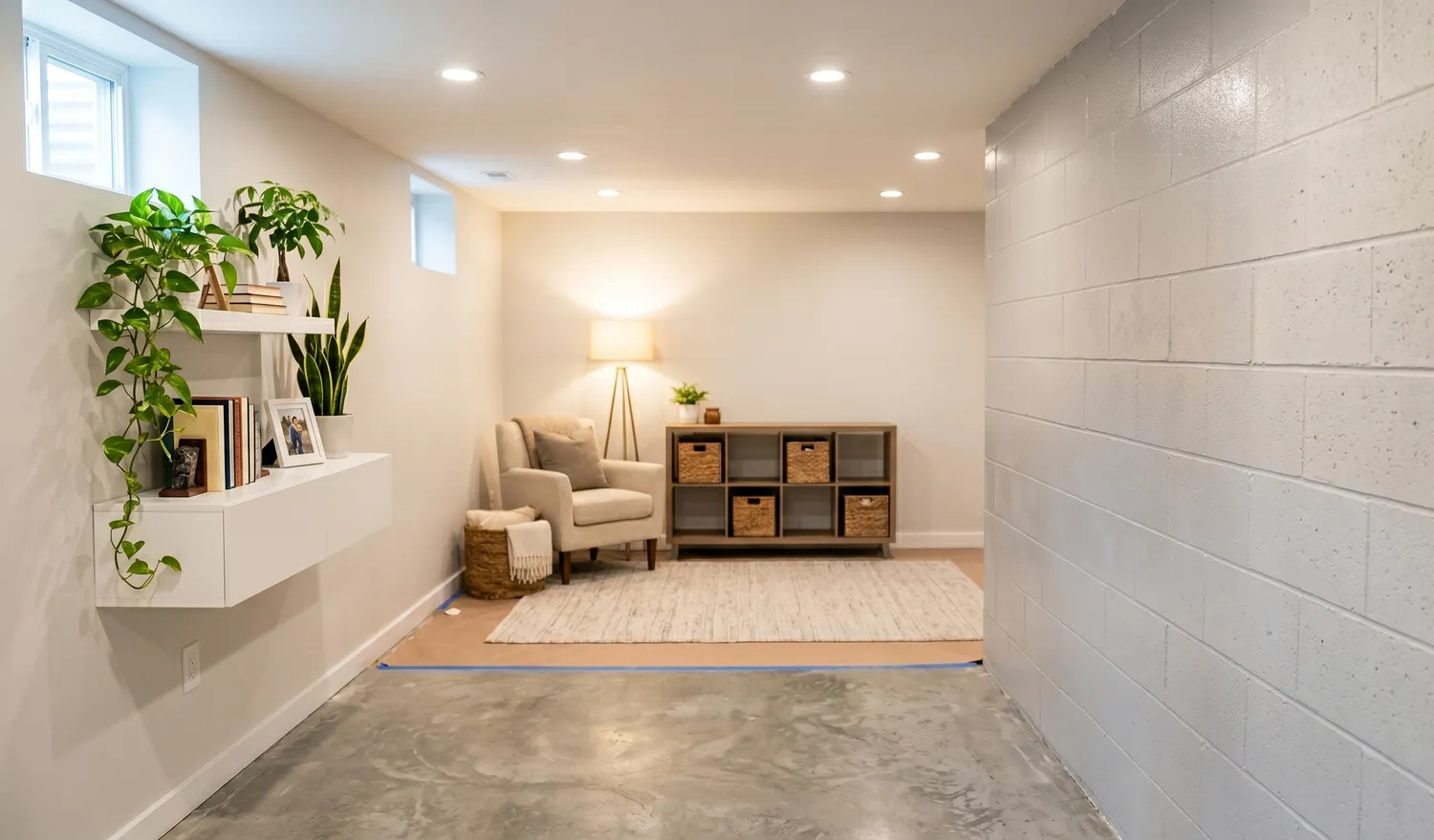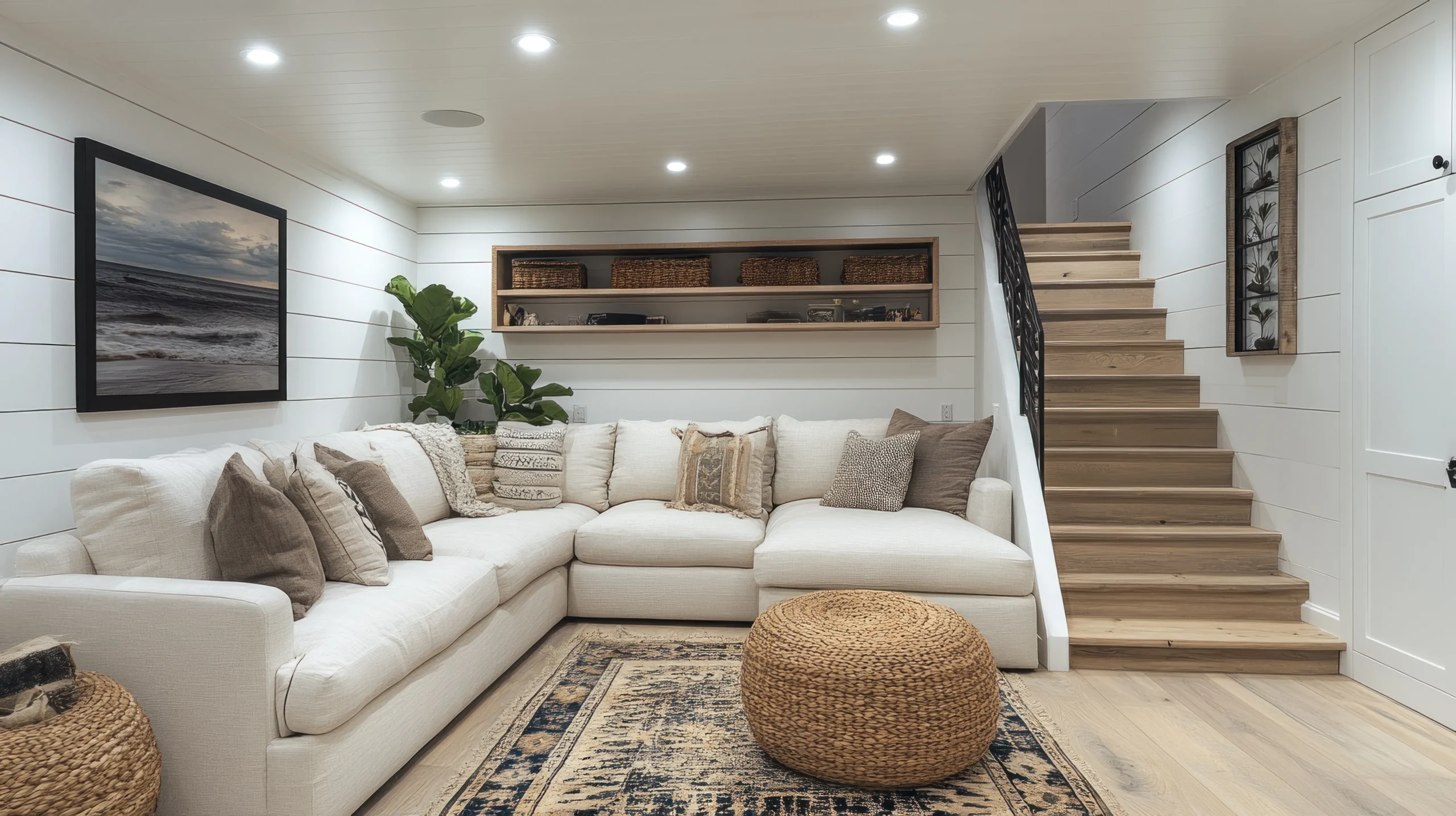



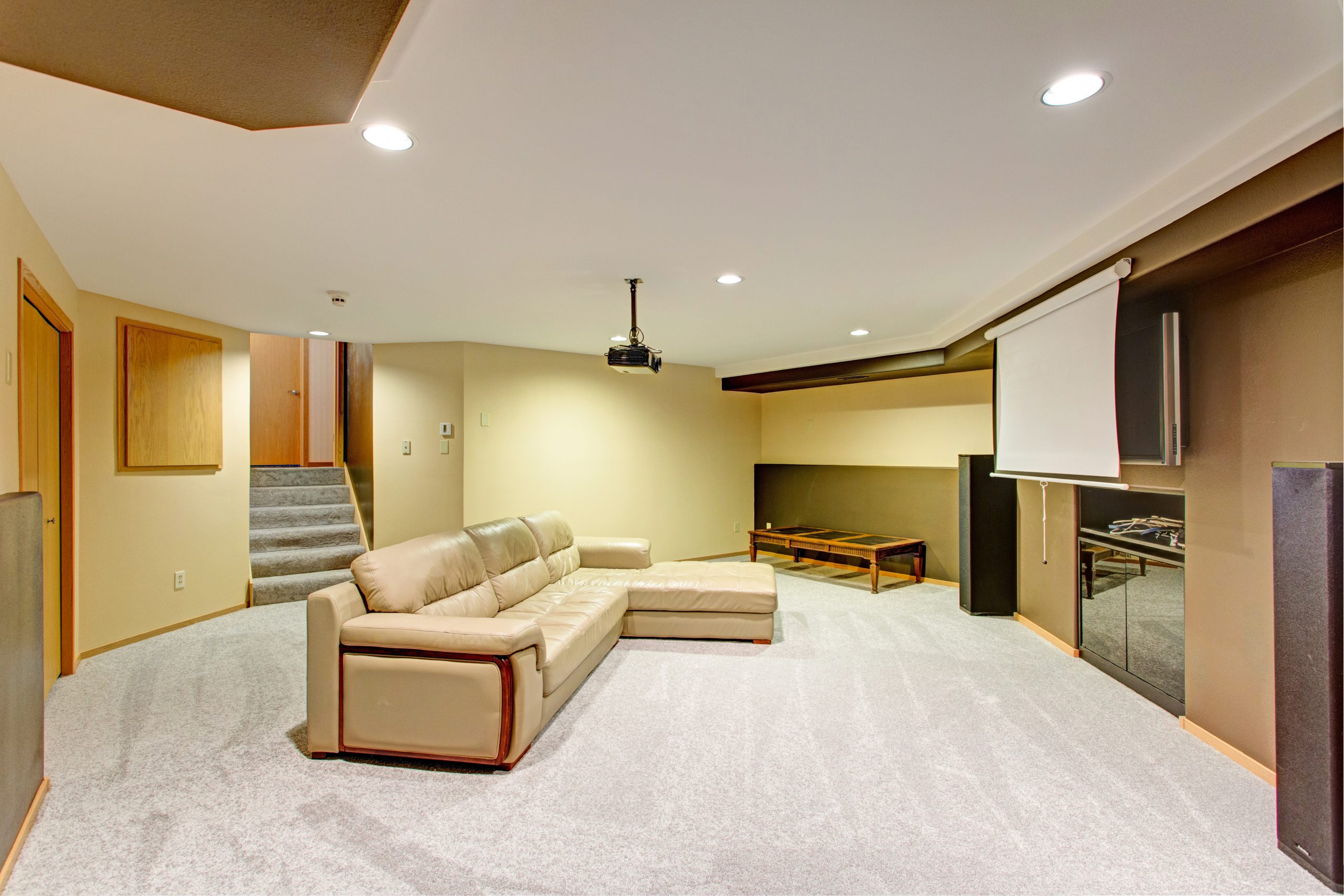
Finishing a basement can be one of the most rewarding and transformative home improvement projects you undertake. It not only adds usable square footage to your home but also opens up a world of possibilities—whether you envision a cozy family lounge, a quiet home office, a full entertainment suite, a home gym, or a guest suite complete with a bathroom and kitchenette. But as exciting as the potential may be, homeowners often run into one big question before diving in: how much will it cost?
The truth is, there’s no one-size-fits-all answer. Estimating the cost of a basement renovation is a nuanced process that depends on a range of factors—from the condition of the existing space to the complexity of your vision, and even the materials and professionals you choose. Here’s what really impacts the final price tag:
1. Starting Point: The Current Condition of Your Basement
The state of your basement before any work begins is a major cost driver. An unfinished basement with bare concrete walls, exposed ductwork, no insulation, and minimal lighting will naturally require more work—and therefore more investment—than a space that already has some finished elements. If your basement has been previously renovated but now needs a facelift, you might save on structural work, framing, or even HVAC extensions.
However, hidden issues often lie beneath the surface. Moisture is a particularly common (and costly) challenge. Signs of water damage, mold, poor drainage, or foundation cracks must be addressed before cosmetic work begins. Waterproofing alone can range from a few hundred to several thousand dollars, depending on severity. Skipping this step can lead to long-term issues that may compromise your investment.
2. Design Complexity and Intended Use
Your vision for the space will heavily influence your overall budget. A simple, open-concept family room with basic flooring and lighting will be much more affordable than a basement that’s divided into several specialized rooms. Think about your goals: will you need a full bathroom? A guest bedroom? A wet bar or a wine cellar? Each of these spaces requires specific features—plumbing, electrical, ventilation, cabinetry—which increases the overall complexity of the project.
For instance, installing a bathroom in a basement involves plumbing rough-ins (which may require breaking into concrete), waterproofing, tiling, and often specialized ventilation. A home theater might require soundproofing, blackout treatments, custom lighting, and high-quality audiovisual wiring. The more detailed your vision, the higher the costs—but also, the greater the potential return on enjoyment and even resale value.
3. Material Selection and Finishes
Material choices are one of the biggest areas where costs can swing widely. Opting for budget-friendly materials—such as laminate flooring, standard drywall, and prefabricated cabinetry—can keep costs under control while still providing a polished look. On the other hand, if you’re drawn to premium finishes—like engineered hardwood, stone countertops, custom millwork, or specialty lighting—the price will reflect those preferences.
It’s also worth considering materials suited specifically for basement environments. Moisture-resistant drywall (like green board), vinyl plank flooring, or thermal insulation can be smart investments that enhance durability and comfort. Many contractors will present multiple options during the design phase, allowing you to prioritize where you want to splurge and where you can save.
4. Mechanical Systems and Utilities
Finishing a basement isn’t just about aesthetics—it also involves integrating critical systems. Expanding your home’s heating and cooling systems to the basement may require additional ductwork or a new HVAC zone. Electrical upgrades could include new outlets, dedicated circuits, or a panel upgrade if your existing system is maxed out. If plumbing is involved, that opens another layer of infrastructure work.
These systems require licensed professionals and may involve permits and inspections from your local municipality, all of which add time and cost. However, cutting corners in this area is never advised; proper installation ensures your basement is safe, efficient, and up to code.
5. Labor and Contractor Selection
Who you hire to do the work also impacts your overall investment. A full-service remodeling company typically handles every aspect of the project—from design and permitting to scheduling trades and managing inspections. Their fees may be higher, but they often offer benefits like warranties, a consistent point of contact, and a streamlined process.
Alternatively, you could hire individual subcontractors (like framers, electricians, plumbers, and painters) and manage the project yourself. While this might save money upfront, it requires significant time, coordination, and knowledge on your part—and if something goes wrong, the burden is on you to resolve it.
6. Permits and Local Regulations
Don’t forget about permitting. Most municipalities require permits for basement renovations, especially if you’re adding plumbing, electrical systems, or structural changes. Permit costs vary by location but are necessary to ensure the work meets local building codes. Unpermitted work might create issues during future home sales or appraisals and could even lead to fines.
Final Thoughts
Estimating the cost of finishing your basement isn’t just about calculating price per square foot—it’s about understanding the unique vision you have for the space, the condition of what you’re starting with, and the scope of work needed to bring that vision to life. A basic renovation might run $30–$50 per square foot, while a high-end, fully equipped basement could exceed $100 per square foot or more.
The best way to get an accurate estimate? Consult with experienced professionals who can walk through your space, understand your goals, and provide a detailed, personalized quote. With the right plan and the right team, your basement can become one of the most valuable and beloved parts of your home.